Frequently Encountered Vehicle Scenarios

Owners often report specific patterns when their vehicle requires attention. A common observation is an illuminated check engine light, which can indicate numerous potential system states ranging from a loose gas cap to sensor readings. Unusual noises during braking or steering maneuvers may point to component wear in the brake or suspension systems. Changes in engine performance, such as hesitation or reduced fuel efficiency, are also frequently noted. Other typical reports include difficulty starting the vehicle, which may relate to the electrical or fuel delivery systems, or vibrations felt through the steering wheel or chassis at certain speeds. Each of these scenarios initiates a diagnostic process to identify contributing factors.

An auto mechanic in blue coveralls inspecting a car's engine in a garage.

A Structured Approach to Common Reports

  • Diagnostic Analysis

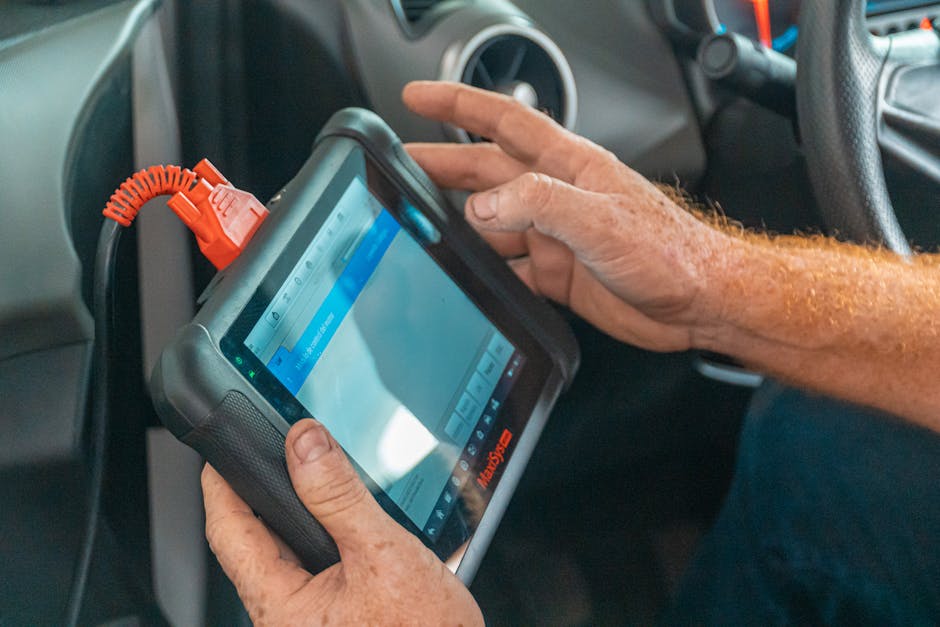
    The initial step involves connecting to the vehicle's computer to retrieve diagnostic trouble codes and live data streams for review.

  • Visual & Physical Inspection

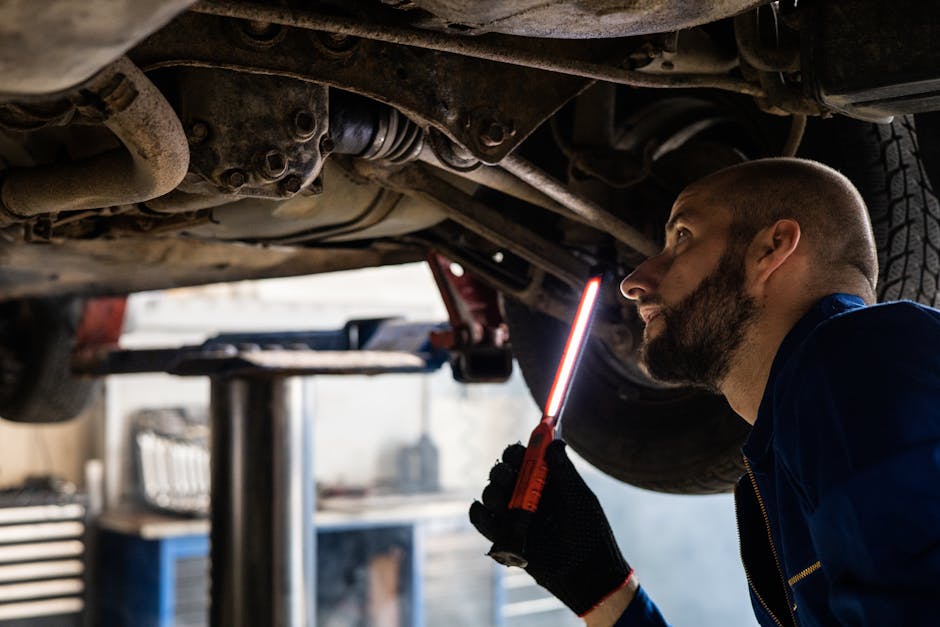
    A thorough inspection of relevant systems is conducted to identify visible wear, leaks, or damaged components.

  • Findings Presentation

    Detailed explanations of identified issues are provided, along with context on potential next steps for consideration.

  • Service Execution

    Upon approval, addressed services may include component replacement, system repairs, or fluid exchanges as indicated.

Mechanic using light to inspect vehicle undercarriage in workshop for maintenance.

Addressing Brake and Suspension Concerns

Reports of squealing, grinding, or a soft brake pedal often lead to an inspection of the braking system. This process involves measuring brake pad and rotor thickness, checking brake fluid condition and level, and examining calipers and hydraulic lines. Similarly, concerns about vehicle pulling, uneven tire wear, or a bumpy ride may prompt a suspension and steering inspection. Technicians at Precision Automotive check components such as shocks, struts, control arms, and tie rods for integrity. The condition of these systems can be influenced by driving habits, road conditions, and mileage.

The Role of Computer Diagnostics

Modern vehicles use numerous electronic control units that monitor system performance. When a parameter falls outside a predefined range, a diagnostic trouble code may be stored. At Precision Automotive, specialized scan tools are used to access this data. It is important to note that a code often indicates a system's state or a symptom, not a definitive single cause. Further testing is typically required to interpret the data within the full context of the vehicle's condition and the owner's reports.

A mechanic in coveralls using a diagnostic tool at an auto repair shop beside a car.

Considering Engine and Performance Indicators

Observations like rough idling, loss of power, or the illumination of the check engine light can be associated with various engine management subsystems. The diagnostic approach may involve checking the integrity of the ignition system, including spark plugs and coils, assessing fuel delivery pressure and volume, and inspecting intake components for leaks. Evaluating sensor data from the mass airflow or oxygen sensors is also part of this process. Maintenance items, such as air filters or old spark plugs, are among the factors that can be reviewed during an assessment of performance concerns.

🔧 Precision Automotive
Precision Automotive provides automotive diagnostic and repair services. Our process focuses on vehicle assessment and transparent communication regarding potential service options for common vehicle scenarios.
Address

1375 South Washington Street, Denver, Colorado

Privacy Policy

© 2026 Precision Automotive. All rights reserved.

Terms of Use

We use cookies

We use cookies to ensure the proper functioning of the website, analyze traffic, and improve your experience. You can accept all cookies or reject them — the site will continue to operate. For more details, read our Cookie Policy.