Establishment and Core Mechanics
The initial phase focused on foundational services for engine, brake, and suspension systems using prevalent mechanical tools.
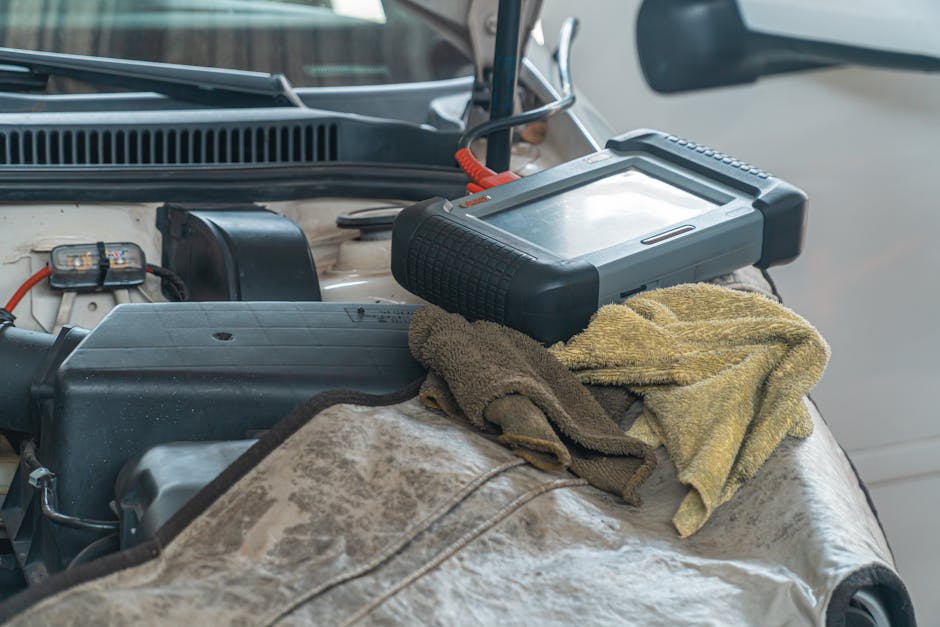
Our path reflects the broader evolution of automotive technology and service methodologies. From foundational mechanical work to the integration of advanced computer diagnostics, each phase has contributed to the current framework of vehicle maintenance. This overview presents key milestones in that ongoing progression.
The development of automotive service is a continuous process of adaptation. Initial decades focused on core mechanical systems, where understanding engine, transmission, and chassis components formed the primary basis for work. The introduction of electronic fuel injection and onboard computers marked a significant shift, requiring new diagnostic tools and technical knowledge. This period saw the transition from purely mechanical adjustments to a blend of hardware and software analysis. Subsequent advancements in materials science and sensor technology further refined approaches to suspension, braking, and engine management. Today's service environment incorporates real-time data streaming and networked diagnostic systems, representing the latest phase in an ongoing technical narrative focused on systematic vehicle assessment.
These images illustrate different phases of our operational development. They show the evolution of workshop tools, diagnostic equipment, and the working environment over time, highlighting the integration of new technologies into the service process.
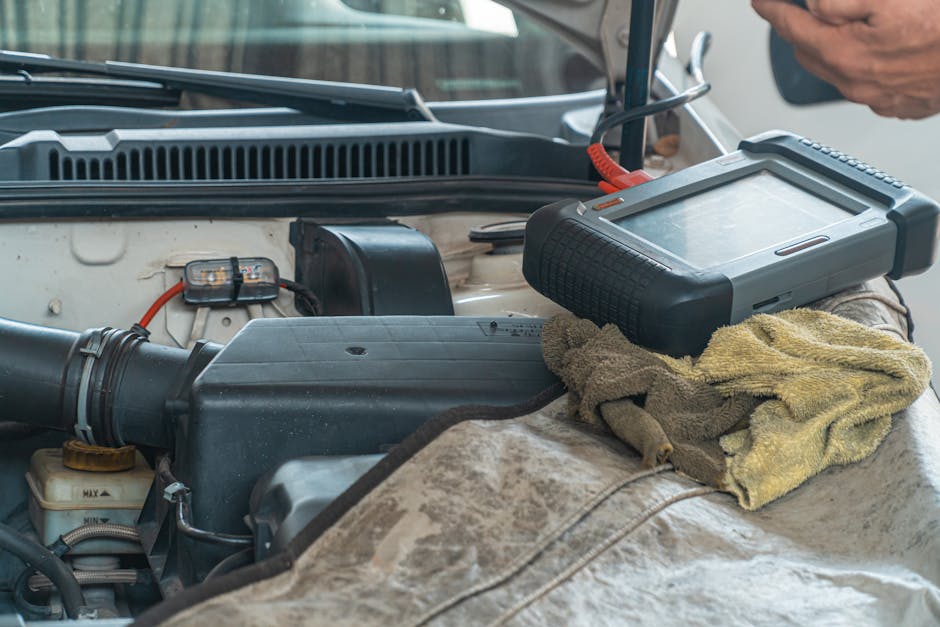

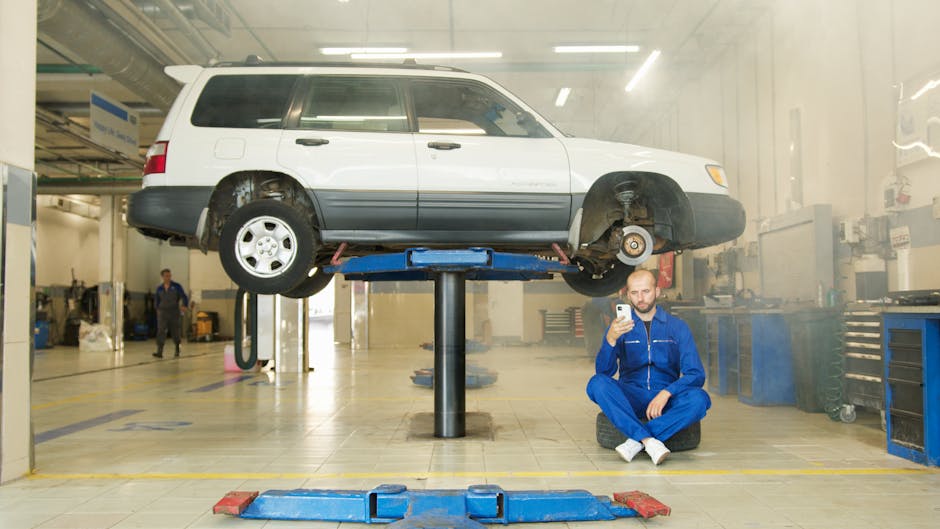
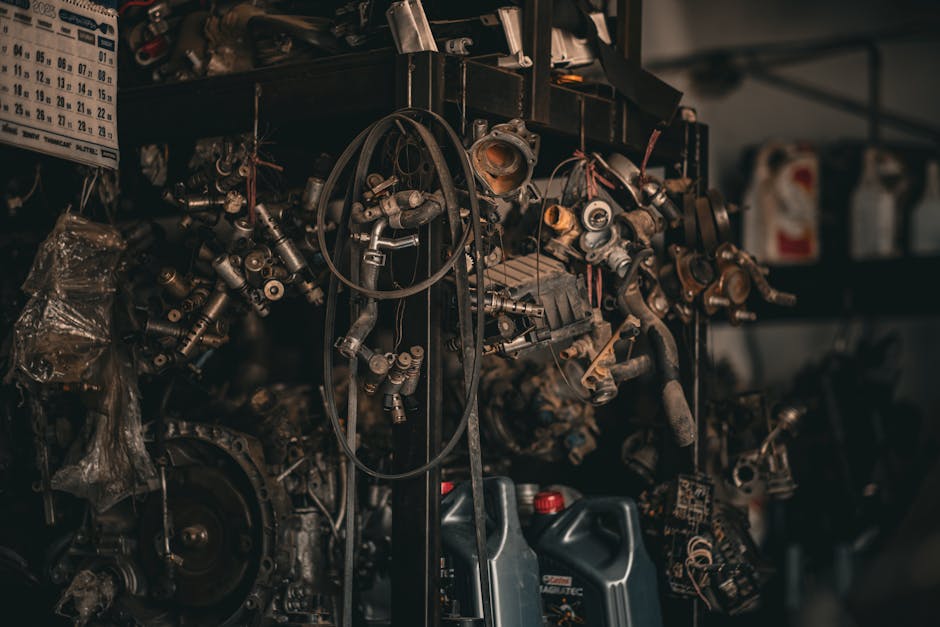
The initial establishment of Precision Automotive was centered on providing a structured environment for mechanical service. Early focus involved creating systematic procedures for common maintenance tasks, emphasizing clarity and transparency for vehicle owners. As automotive systems grew more complex, our methodology expanded to include specialized training for technicians and investment in diagnostic equipment. This ongoing adaptation is not an endpoint but a consistent characteristic of the service field, where technological change presents continuous opportunities for methodological refinement.
The initial phase focused on foundational services for engine, brake, and suspension systems using prevalent mechanical tools.
This period involved integrating early computer scanners to read vehicle fault codes and assess electronic control units.
Methodologies were broadened to include hybrid systems and advanced driver-assistance system preliminary checks.
Current operations utilize connected diagnostic platforms and software for streamlined vehicle data assessment.
Precision Automotive's operational history is intertwined with the technical evolution of the automobile. Our development mirrors the industry's shift from purely mechanical systems to integrated electronic networks. This has involved continual updates to technician training protocols, tooling inventories, and service bay configurations. The focus remains on maintaining a structured process for vehicle inspection and analysis, where each technological advancement is evaluated for its potential to enhance procedural clarity and informational depth for customers.

1375 South Washington Street, Denver, Colorado